
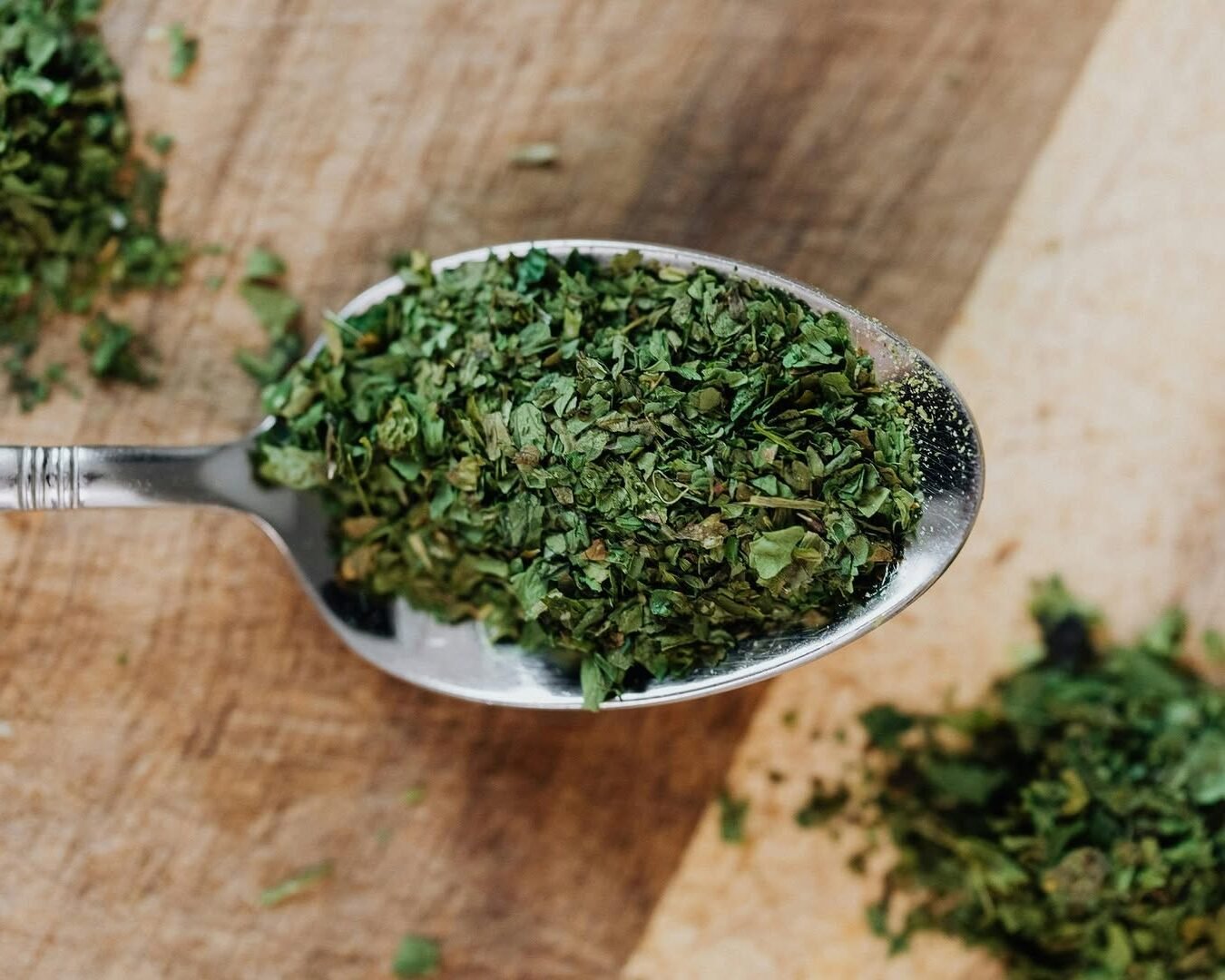
Herbal medicine has been my family’s primary healthcare for at least the past five years, and I’ve spent that time studying and learning everything I can about these plants. It’s genuinely transformed how my body responds to illness. I’ve become more resilient, better equipped to support my system naturally when something comes up. And honestly? I credit much of that to the incredible plants growing right here in the Mediterranean.
Crete and Greece are home to a treasure trove of healing herbs. We’re talking about plants that have been used for thousands of years, woven into mythology, rituals, and everyday life. These aren’t trendy superfoods that appeared overnight. They’re time-tested, deeply rooted in both the land and the culture. From rocky hillsides to mountain villages, Cretan and Greek herbs have sustained generations with their powerful medicinal properties.
What I love most is how accessible this wisdom still is. Walk through any Cretan village and you’ll find elderly women who know exactly which plant soothes a cough or calms digestion. That knowledge hasn’t disappeared. It’s alive, passed down, and now supported by modern research that confirms what ancient healers already knew.
In this article, I’ll take you through twelve of my favorite herbs from Crete and Greece. Each one has its own story, its own gifts, and its own place in the island’s soul. Whether you’re curious about traditional uses or looking to bring more natural remedies into your life, these plants have something to offer.
Throughout this guide, I’ll also point you toward Tofillo, my trusted source for authentic, organically grown Cretan and Greek herbs.
Table of Contents
- 1. Ladania (Cistus creticus) – Pink Rockrose
- 2. Malotira (Sideritis syriaca) – Cretan Mountain Tea
- 3. Dittany of Crete (Origanum dictamnus) – Erontas
- 4. Sage (Salvia fruticosa) – Faskomilo
- 5. Thyme (Thymus capitatus) – Thymari
- 6. Nettle (Urtica dioica) – Tsouknida
- 7. Greek Oregano (Origanum vulgare) – Rigani
- 8. Chamomile (Matricaria chamomilla/recutita) – Chamomíli
- 9. Peppermint (Mentha x piperita) – Ménta
- 10. Lemon Verbena (Aloysia citrodora) – Louíza
- 11. Rosemary (Rosmarinus officinalis) – Dentrolivano
- 12. Marjoram (Origanum majorana) – Mantzourána
- Where to Find Authentic Cretan and Greek Herbs
1. Ladania (Cistus creticus) – Pink Rockrose
Ladania is one of my absolute favorite Cretan plants. Every spring, usually around April or May, I see it blooming along the roadsides as I drive through the island. Those delicate pink flowers against the rocky hills? Pure magic.
Botanically known as Cistus creticus, ladania is woven deeply into Cretan folklore. According to legend, Ladania was the daughter of Gaia, the earth goddess. Everywhere she walked, plants flourished and trees bore fruit. Zeus, captivated by her beauty, pursued her. But Gaia transformed her daughter into a small aromatic bush to protect her. That bush became cistus, forever blooming on Crete’s hillsides. Zeus decreed that the plant’s resin, labdanum, would be burned as incense in temples, honoring this earth-bound beauty and her healing power.
Ancient Cretans valued cistus for both ritual and practical purposes. Its fragrant flowers appeared in ceremonies, while the sticky resin was harvested using homemade tools in villages like Sises. This tradition continues today, with knowledge carefully preserved and shared within families and communities. Dioscorides, the ancient Greek physician, listed labdanum in his classic work De Materia Medica as a treatment for various ailments.
In Cretan folk medicine, ladania was used to soothe toothaches, coughs, digestive issues, and skin wounds. It was brewed as tea or applied as a poultice. Villagers noticed that those who spent summers gathering cistus resin rarely caught colds in winter, likely from inhaling the essential oils released during harvest.

Modern research now backs up this traditional wisdom. Cistus creticus contains remarkably high concentrations of polyphenols and antioxidants, giving it powerful antibacterial, antiviral, antifungal, and immune-boosting properties. Studies suggest it may even help with respiratory and digestive troubles, allergic reactions, and skin healing.
Cistus tea offers a pleasantly resinous flavor that tastes like the wildness of Crete itself, and many locals blend it with mountain herbs like malotira, dittany, and lemon verbena for an aromatic wellness boost. You can find organic ladania at Tofillo, where the island’s botanical heritage is honored and preserved.
2. Malotira (Sideritis syriaca) – Cretan Mountain Tea
Malotira, also known as Cretan Mountain Tea, is one of those herbs that feels like it carries the entire spirit of the island in its silvery leaves. While “mountain tea” is a general term for several Sideritis species found across Greece, malotira (Sideritis syriaca) is endemic to Crete. This is the island’s own mountain tea. It grows wild on rugged mountain slopes between 800 and 2,000 meters, and every July, those highlands are covered in soft golden blooms. It’s breathtaking.
The name “Malotira” comes from Italian, left over from Venetian rule. “Male” means malady, and “tirare” means to extract. So literally, it’s the herb that “pulls out illness.” Cretans call it malotira, while the rest of Greece uses “tsai tou vounou,” tea of the mountains. For centuries, families hiked up to the White Mountains and Mount Ida to gather bunches of it. It was a rite of passage, a gift for honored guests, and a household staple for keeping everyone healthy.
Ancient Greek healers like Dioscorides and Galen praised malotira for treating respiratory and digestive troubles. Cretan shepherds and mountaineers brewed it daily to ward off chills and exhaustion from their climbs. Offering malotira tea to a guest became a symbol of Cretan hospitality; you were sharing the very spirit of the mountains.
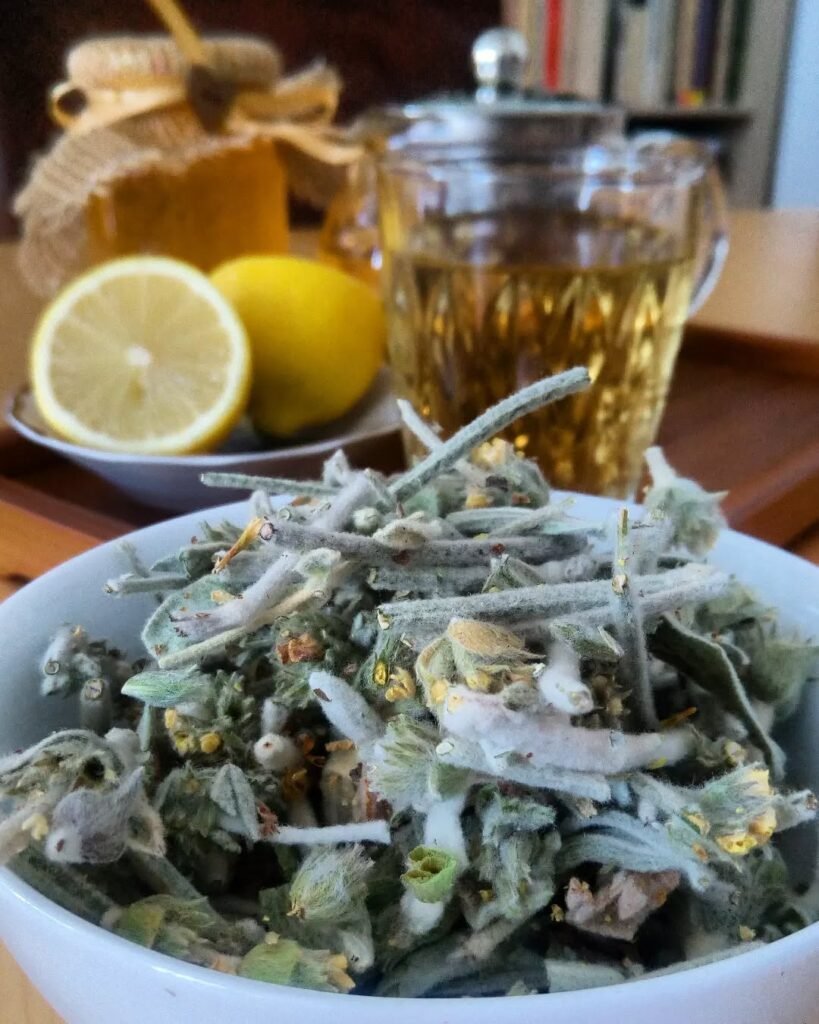
In folk medicine, malotira was trusted for everything. Hot or cold, it soothed colds, coughs, headaches, and digestive discomfort. Healers used it to calm muscle aches after long days of physical work. Families would add honey, lemon zest, sage, or dittany for extra flavor and punch. In herbal medicine, breaking the stems before steeping actually makes sense. Smaller pieces mean more surface area, which helps extract more of the plant’s beneficial compounds.
Modern research confirms what Cretans already knew. Malotira is rich in flavonoids, essential oils, and antioxidants. It has antibacterial, anti-inflammatory properties that support the immune system and help ward off colds. It aids digestion, acts as a gentle diuretic, and may even protect brain health by shielding neurons from damage. Some studies suggest it could reduce the risk of neurodegenerative disorders like Alzheimer’s.
3. Dittany of Crete (Origanum dictamnus) – Erontas
Dittany of Crete, known locally as “erontas” or “love,” is one of the island’s most mythical and mysterious herbs. It grows only on the steep cliffs and gorges of Crete, clinging to rocky ledges where few other plants dare to survive.
Ancient lore surrounds this rare plant. Legend says Zeus gifted dittany to Crete as a symbol of gratitude, while Aphrodite used it for healing. Artemis wore it as a crown, and its name is linked to the ancient Minoan goddess Diktynna. Aristotle recorded that wild goats would eat dittany to expel arrowheads from their bodies, a testament to its powerful healing reputation. In Virgil’s Aeneid, Venus healed her son Aeneas with a stalk of dittany.
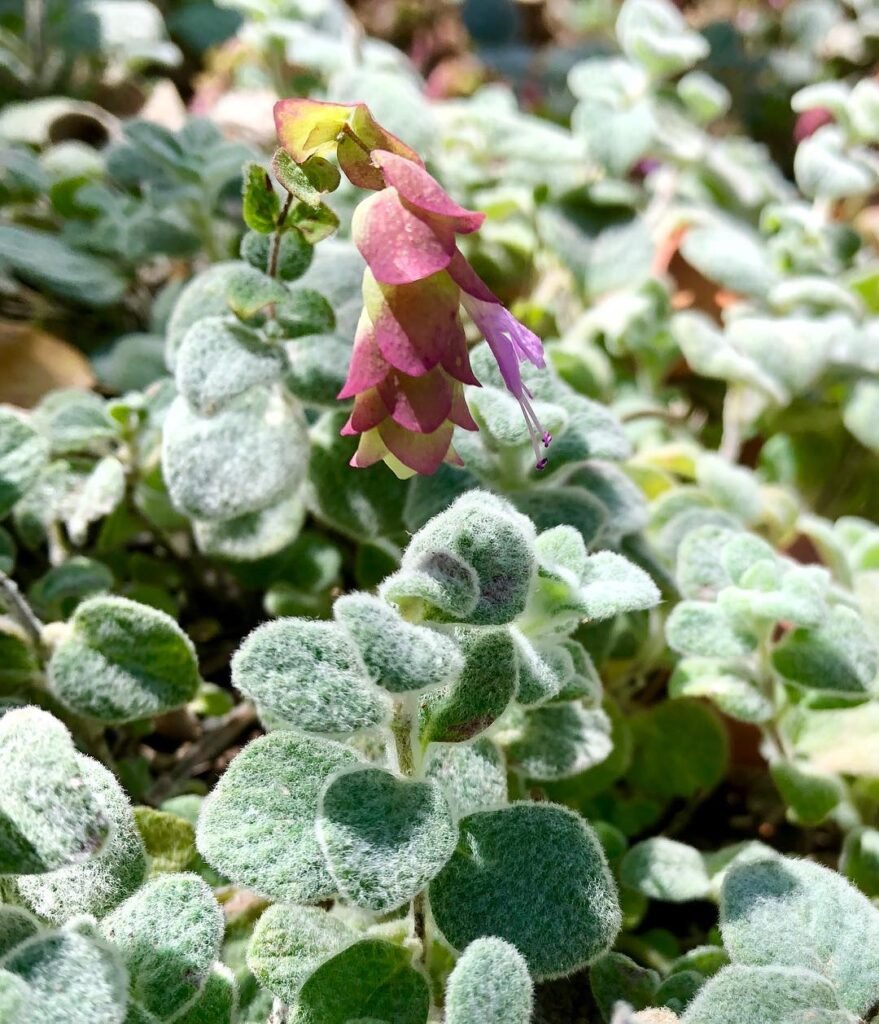
The herb’s romantic reputation gave it the name “erontas.” Young lovers, called “erondades,” would risk their lives climbing dangerous cliffs to gather the plush pink blooms as tokens of affection. It was the ultimate gesture of devotion.
Since Minoan times, dittany has been cherished for far more than romance. Hippocrates prescribed it for digestive complaints, menstrual pain, and wound healing. Locals brewed dittany tea for stomach aches, respiratory issues, and general aches and pains. It was applied topically for its antiseptic effect, recommended to ease childbirth, treat snake bites, and used in cosmetics and salves.
Modern science confirms this traditional wisdom. Dittany’s essential oil is packed with carvacrol and other compounds that provide remarkable antioxidant, antibacterial, and anti-inflammatory benefits. A 2015 study published in PubMed found it to be “a noteworthy growth inhibitor” against bacteria and fungi, with “significant antioxidant activity and excellent cytotoxicity against cancer cells.” Its antioxidant power rivals vitamin E, and research backs its effectiveness for digestive and respiratory issues, wound healing, and soothing skin irritation.
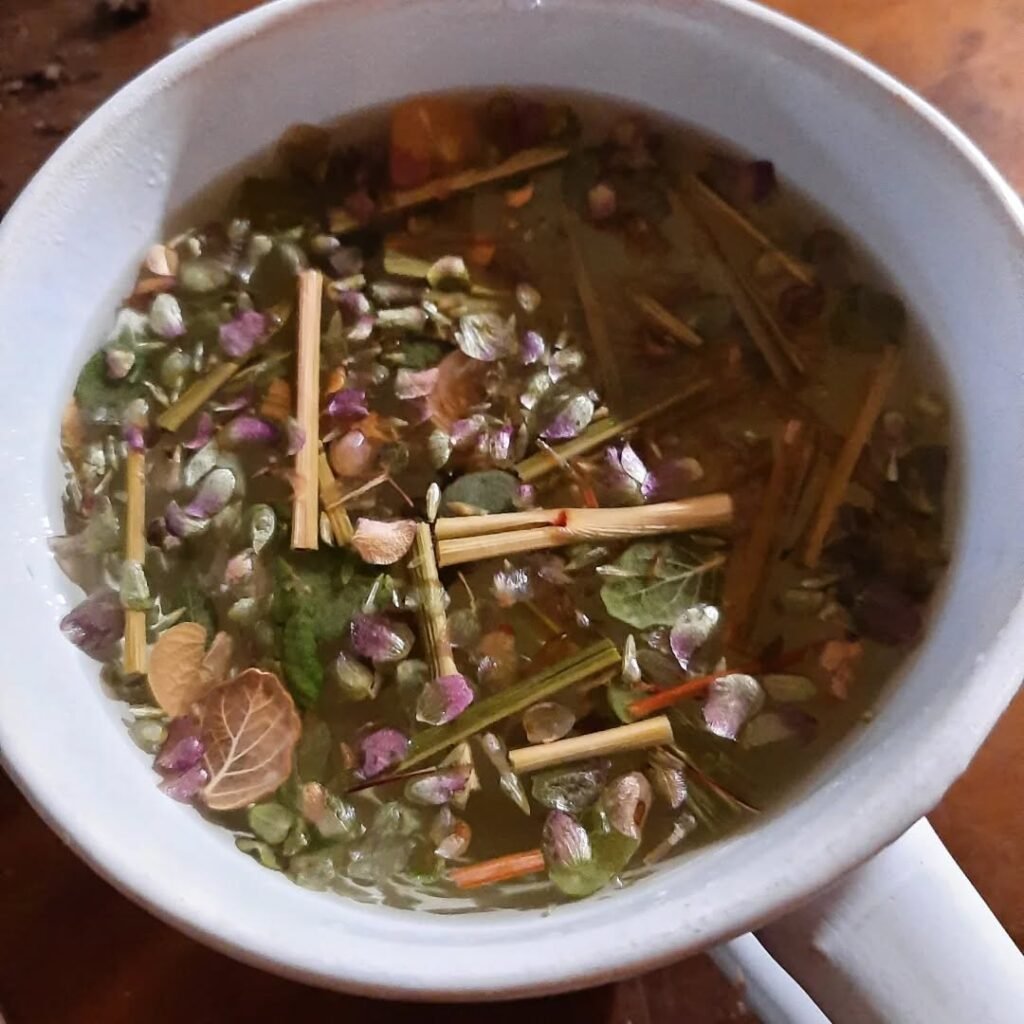
Wild dittany is now protected due to its rarity, making organic cultivated sources like Tofillo essential. It remains a cultural treasure among Cretan and Greek herbs, a botanical bridge from Minoan myth to modern medicine, rooted in the cliffs and canyons of Crete.
4. Sage (Salvia fruticosa) – Faskomilo
Sage, known in Crete as “faskomilo,” has thrived on the island’s hillsides and gardens for thousands of years. It’s a plant rich in myth, culinary tradition, and medicinal lore. Minoan frescoes at Knossos from around 1400 BC depict sage, evidence of its revered status since antiquity.
Ancient Greeks considered sage sacred, dedicating it to Zeus and using it in rituals to promote longevity and clarity of mind. The Latin genus “Salvia” comes from “salvare,” meaning to save or heal. That tells you everything about how this plant was viewed. Hippocrates prescribed it for digestive troubles, coughs, and wounds. Dioscorides, writing in the 1st century AD, described it for stopping bleeding and calming the nervous system.
The aroma and beauty of blooming Cretan sage were said to attract good spirits and inspire wisdom. That’s why branches were hung in homes or burned as incense during cleansings.
In folk medicine, sage was brewed into tea to soothe sore throats and coughs, treat indigestion, and relieve excessive sweating, particularly during menopause. It was also applied externally for mouth ulcers and minor skin wounds, its oils used for their antibacterial action. In Cretan cuisine, sage leaves are added to breads, meats, and cheese pies, offering their distinctive piney, peppery flavor alongside health benefits.
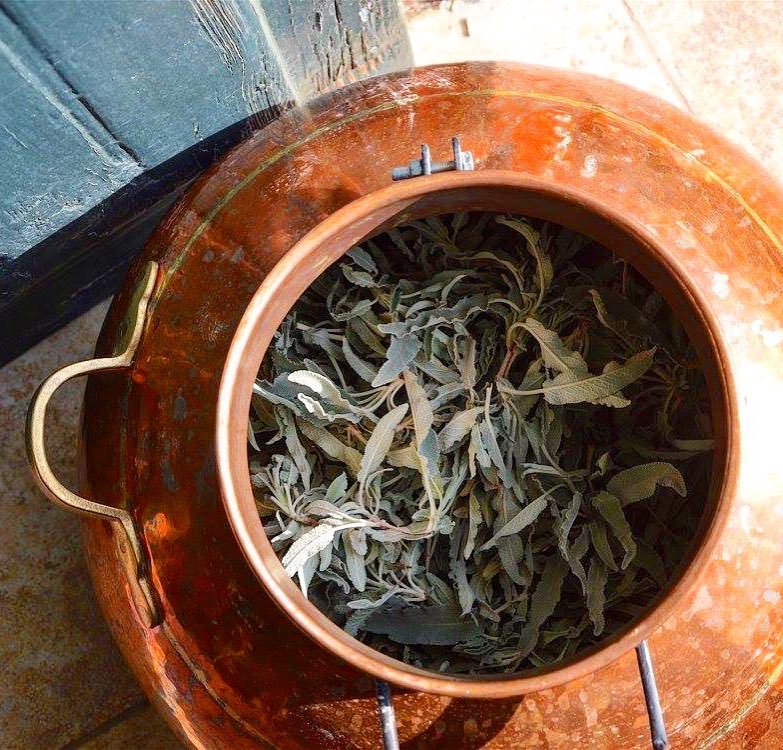
Cretan shepherds carried sage bunches on their travels, believing the scent kept them alert and protected against illness. That old belief is now supported by scientific findings on sage’s effect on focus and the immune system.
Modern research confirms that Salvia fruticosa is rich in potent antioxidants, phenolics, and essential oils like cineole, camphor, and rosmarinic acid. Studies show it has strong antibacterial, anti-inflammatory, and antioxidant properties, protecting cells from oxidative stress and supporting immune health. Research shows sage extract effectively inhibits bacteria, making it valuable for food preservation and as a natural remedy for colds. Its anti-inflammatory properties help relieve throat discomfort and skin irritation, while studies suggest benefits for lowering blood pressure and supporting cognitive function and memory.
Sage remains an essential feature of the Cretan landscape, beloved by bees and home cooks alike.
5. Thyme (Thymus capitatus) – Thymari
Thyme, known locally as “thymari,” holds a legendary place in Cretan tradition, cuisine, and natural medicine. Walk through any Cretan hillside in spring and you’ll be hit with its unmistakable scent, especially when the sun warms the rocky slopes.
Thyme’s significance stretches back to ancient Greece, where it symbolized courage and was burned as incense in temples and households for purification and to honor the gods. Myth even links Zeus’s survival to the care of sacred Cretan bees in a thyme-scented cave. Hippocrates, the father of Western medicine, recommended thyme for respiratory illnesses and as a healing herb for a range of ailments. Ancient Greeks sometimes carried sprigs of thyme as a token of respect or to invoke bravery, particularly among soldiers.
On Crete, thyme flavors some of the island’s most classic foods, including roasted meats, cheeses, and hearty stews. The essential oil has been used in traditional medicine as an antiseptic, cough remedy, and for digestive issues. Thyme infusions remain a timeless remedy for sore throats, coughs, and indigestion, still commonly used in Cretan households and cafes.
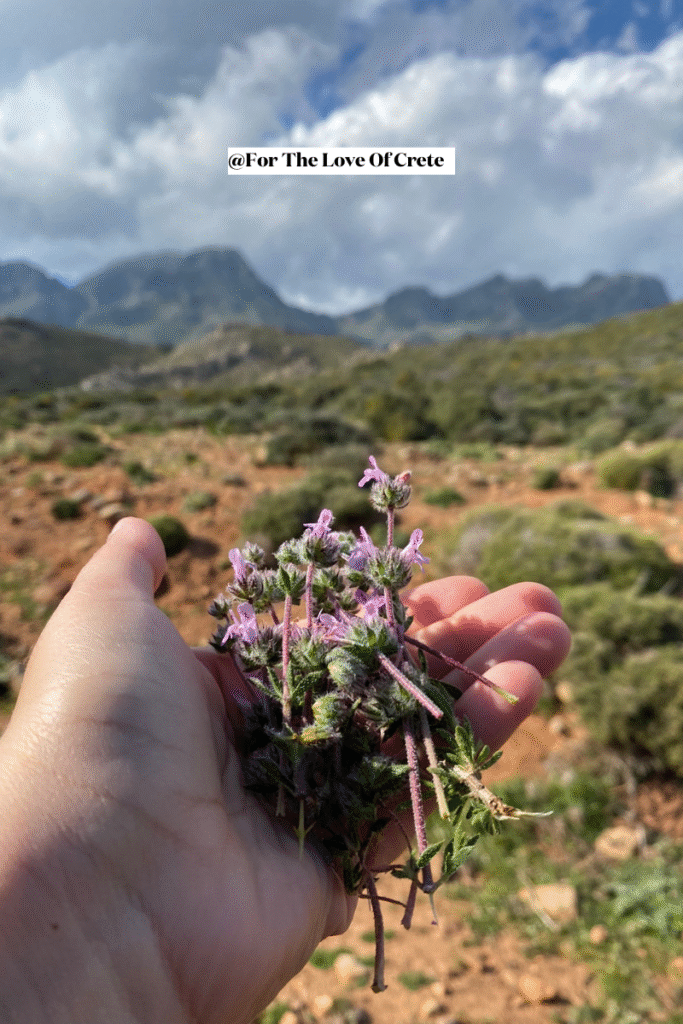
Modern research underscores thyme’s reputation as a potent medicinal herb. Thyme essential oil is rich in thymol and carvacrol, compounds that provide strong antioxidant and antibacterial properties. Clinical studies show thyme can help fight off infections, support the immune system, and reduce inflammation while protecting cells from free radical damage. Recent research also highlights its antiviral and antifungal activity, making it an outstanding natural option for respiratory and digestive support.
One of Crete’s most loved culinary treasures is thyme honey, or “meli thymarisio.” Produced when bees feed on wild thyme blossoms each spring, this honey stands out for its intense floral aroma and uniquely herbal-sweet, spicy flavor.
In everyday cooking, wild Cretan thyme is a cornerstone of local cuisine. Its fresh or dried leaves flavor slow-roasted lamb, cheese pies, salads, savory breads, and olive oil blends enjoyed across the island.
6. Nettle (Urtica dioica) – Tsouknida
Nettle, known in Greek as “tsouknida,” has been valued in Crete and the Mediterranean since antiquity not only as a wild green, but also as a healing ally and nutrient-rich food.
Nettle’s reputation reaches back to the ancient Greeks, Egyptians, and Romans. Hippocrates listed nettle among his 400 medicinal herbs. In Greek tradition, nettle was used to treat arthritis, allergies, and skin problems, and was believed to cleanse the blood and promote overall vitality. Roman soldiers reportedly rubbed nettles on their skin to stimulate circulation and stay warm in cold climates.
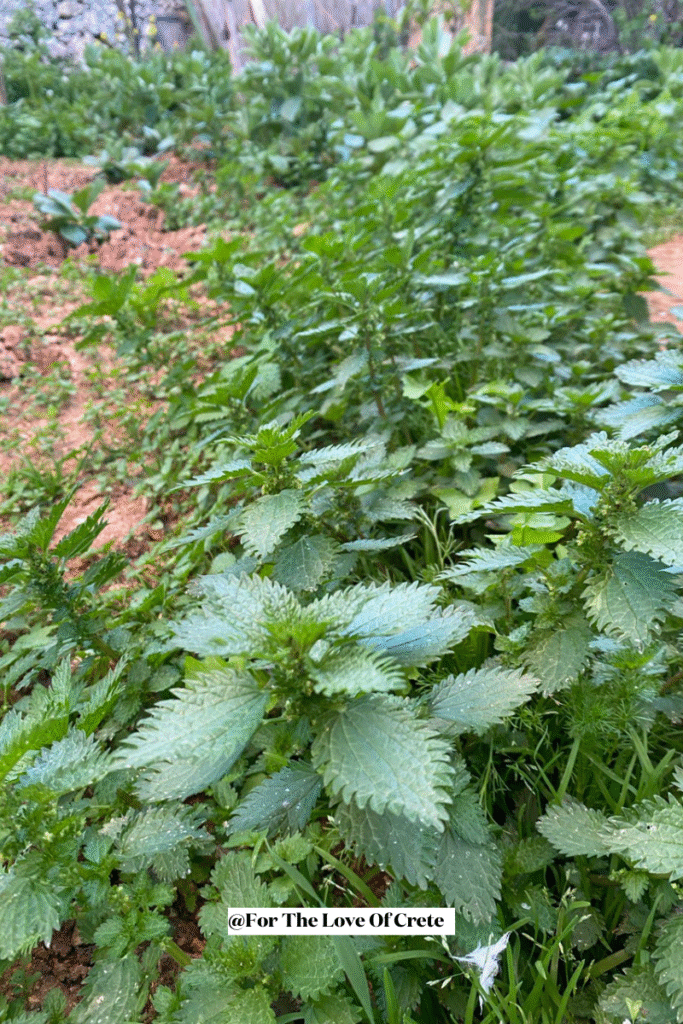
Throughout the Middle Ages, nettles became a staple remedy for joint pain, digestive upsets, and skin irritation. European herbalists praised nettle teas and poultices for everything from headaches to kidney health. Nettle’s use extended to food, especially important during times of scarcity, because it’s loaded with vitamins A, C, K, and minerals like iron, magnesium, and calcium.
Scientific studies show that nettle is a potent natural anti-inflammatory, antioxidant, and mild diuretic. The plant’s phenolic compounds neutralize free radicals, protect cells, and support immune health. Research has documented benefits for easing arthritis pain, allergies by stabilizing histamines, skin healing, and supporting healthy blood pressure and blood sugar management. Nettle has also shown antimicrobial and wound-healing potential, making it useful for combating skin infections and supporting faster recovery. Its rich nutrient profile makes it a “super green” for natural detoxification and overall wellness.
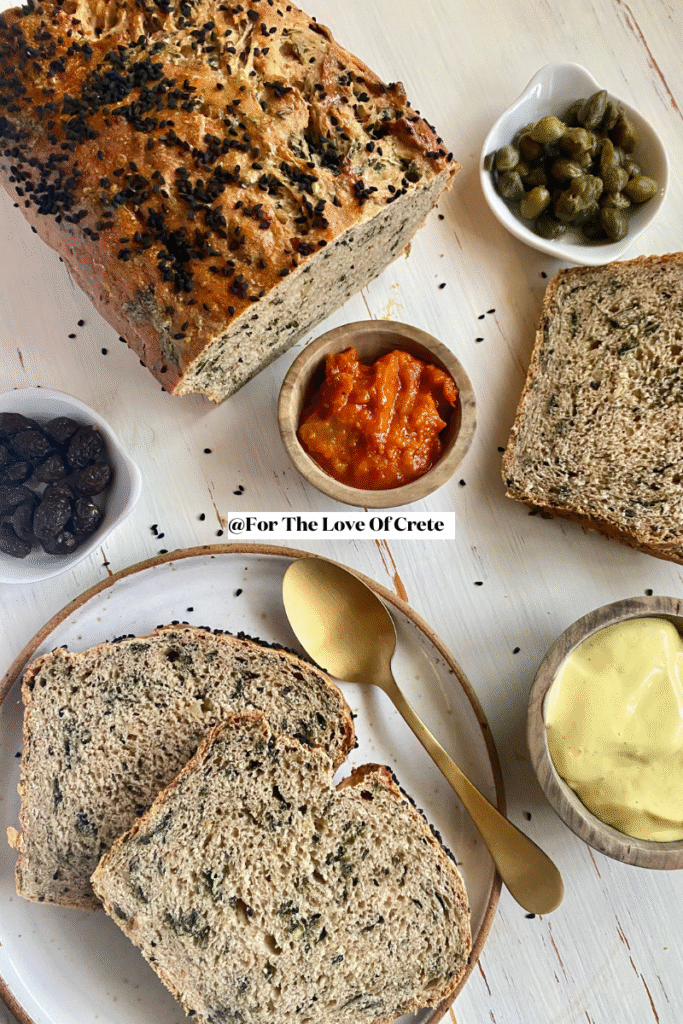
Far from being just a weed, nettle plays a cherished role in Cretan kitchens. Tsouknidopita, or nettle pie, is a classic. Young nettle leaves are blanched, sautéed with fresh onions, local wild fennel, and Cretan olive oil, then wrapped in pastry with feta cheese for a savory treat. Nettles are also added to stews, omelettes, and wild greens mixes, bringing a spinach-like flavor and valuable nutrients to every meal. Personally, I make a really lovely Whole Wheat Nettle, Garlic and Black Cumin Seed Sandwich Loaf where nettle truly shines. (I’ll be sharing the recipe soon for any bakers in the community.)
In Greek folklore, nettle has magical associations and was often left at doorways to ward off evil. In Crete’s rural traditions, it remains a symbol of the wisdom to turn “weeds” into nourishing comfort. Whether sipped as tea, enjoyed in pie, or applied in healing folk remedies, nettle continues to thrive as a bridge between ancient healing and modern health science.
7. Greek Oregano (Origanum vulgare) – Rigani
Greek oregano is one of the most prized and recognizable herbs in Crete, deeply woven into both local cuisine and traditional medicine. Personally, I go through tens of kilos of oregano every year. I use it in cooking, teas, stews, salves, you name it! It’s that essential.
Legend attributes the creation of oregano to the goddess Aphrodite, who planted it as a symbol of joy and well-being on Mount Olympus. The name “oregano” comes from Greek roots meaning “joy of the mountain.” Hippocrates, Dioscorides, and other ancient Greek physicians recommended oregano for its antiseptic and digestive properties. In Crete, oregano symbolized longevity, health, and hospitality. It was often hung in homes for good fortune and used ceremonially in weddings.
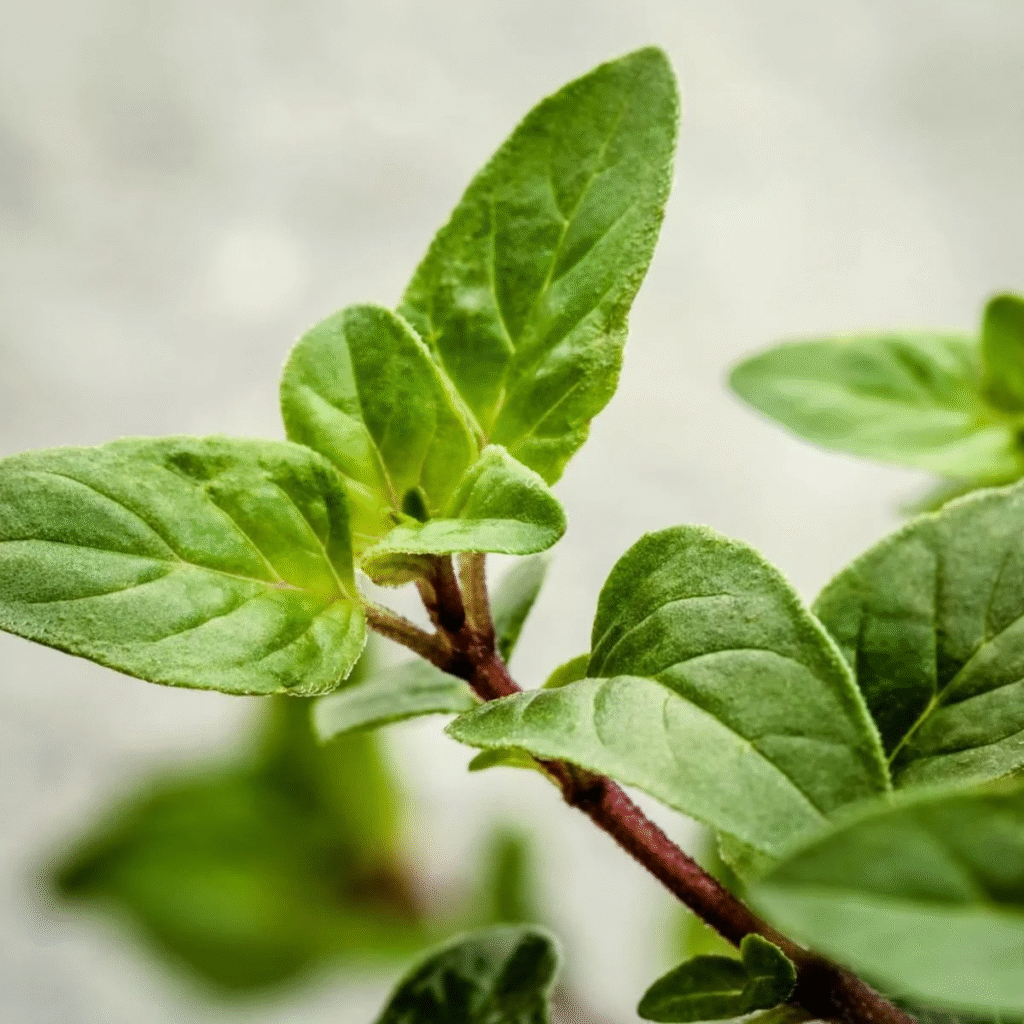
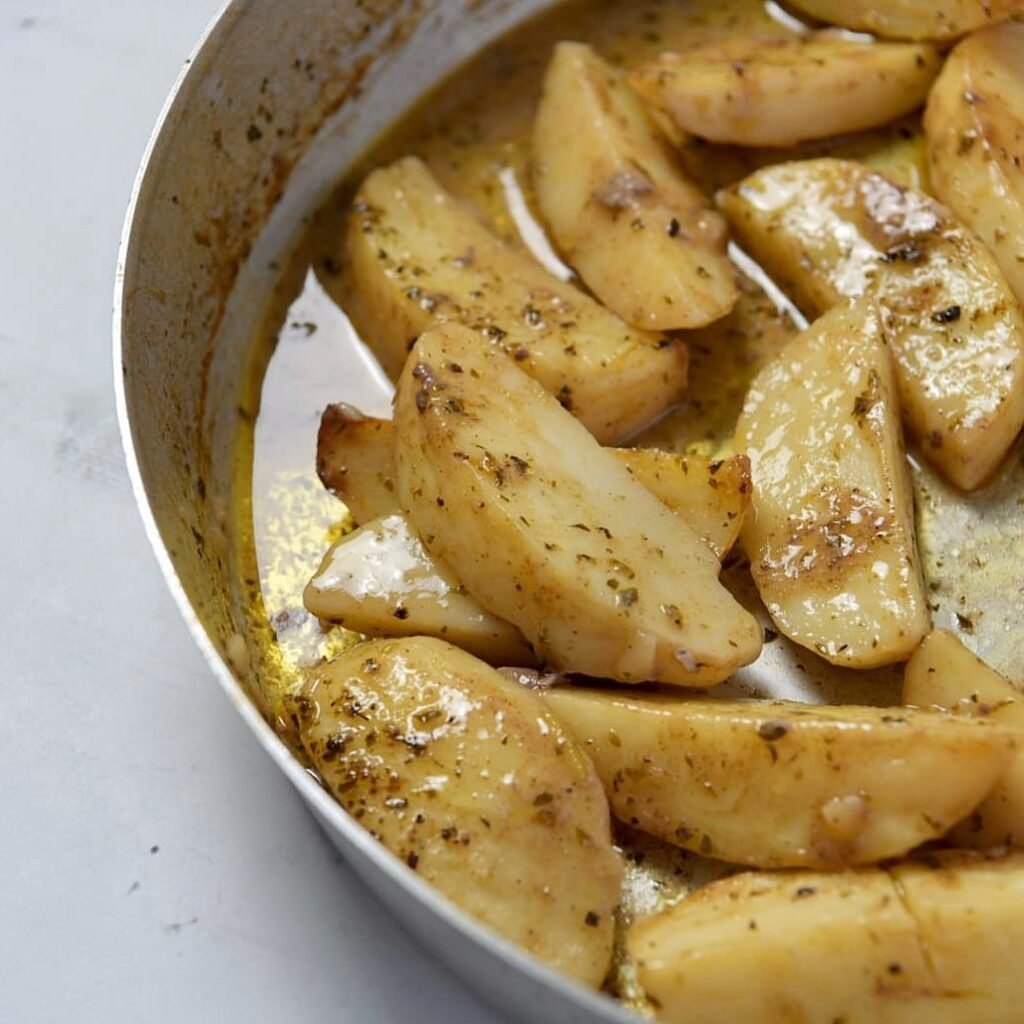
Cretan oregano, or rigani, is essential to countless dishes. It’s rubbed on grilled meats and fish, sprinkled on salads, and infused in olive oil or feta cheese for extra punch. Its bold, peppery, and slightly bitter flavor distinguishes local cooking, and the intense aroma makes it instantly recognizable among Greek herbs. This distinctive taste comes from high concentrations of carvacrol and thymol in the wild plants growing in Crete’s rocky soils and strong sun.
For generations, Cretans have brewed oregano tea to relieve coughs, colds, and sore throats, and as a tonic for digestion and overall vitality. Oregano infusions and oil rubs are used for skin wounds, toothaches, and as a mild sedative. In the highlands, villagers would sometimes inhale oregano steam to clear congested lungs and ward off infection.
Research confirms oregano’s traditional roles. Its essential oils, especially carvacrol and thymol, have proven strong antibacterial, antifungal, and antiviral effects, even against some antibiotic-resistant strains. Laboratory and clinical studies demonstrate antioxidant and anti-inflammatory properties, suggesting a role in protecting cells and supporting immune function. Oregano extracts are being explored for their ability to help control blood sugar and cholesterol, as well as for pain relief and even as natural food preservatives due to their antimicrobial power.
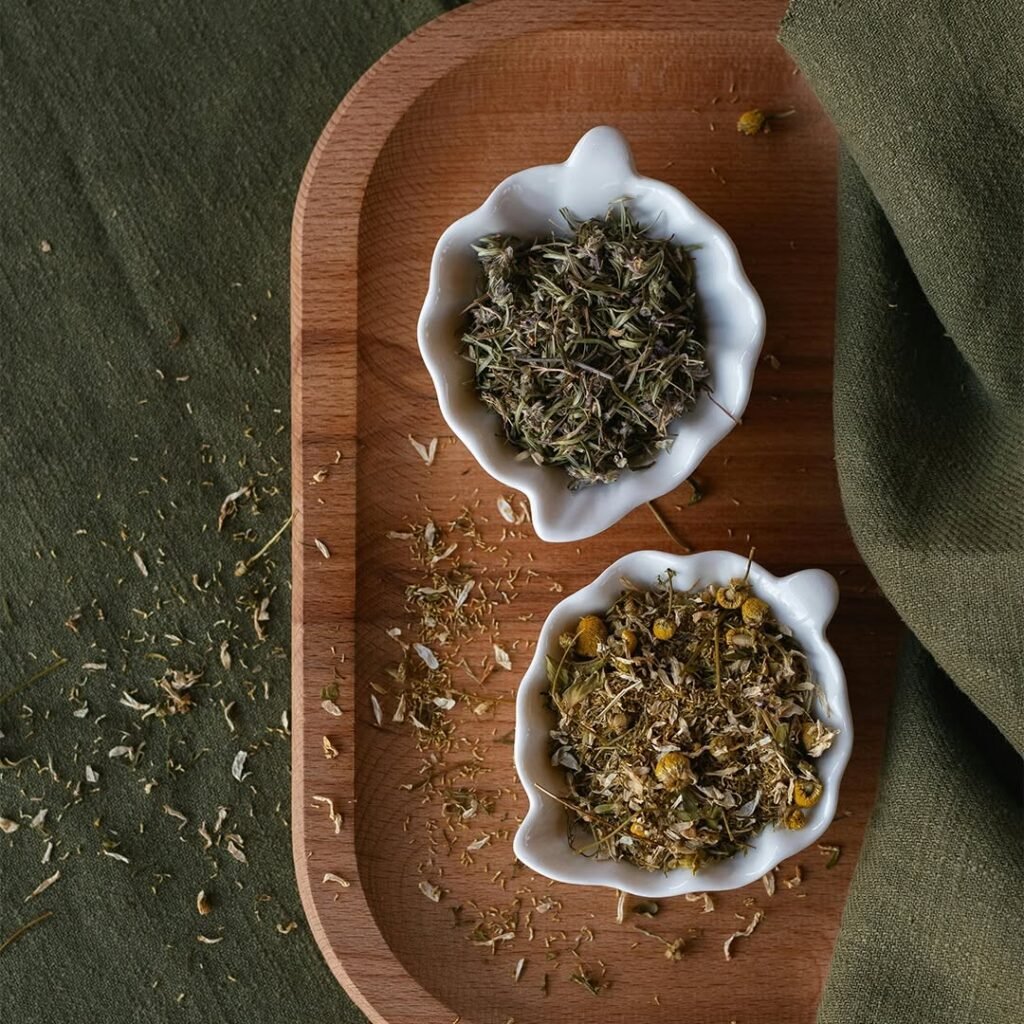
A note on quality: When buying Cretan and Greek herbs, look for organic, sustainably cultivated sources. Tofillo’s herbs are harvested at peak season and processed gently to preserve their essential oils and medicinal properties, exactly what these ancient plants deserve.
8. Chamomile (Matricaria chamomilla/recutita) – Chamomíli
Chamomile, known in Greek as χαμομήλι (chamomíli), is a beloved and widely used herb throughout Crete and Greece, prized for its gentle taste, sweet aroma, and soothing powers.
Chamomile’s use in the region dates back thousands of years. Ancient Greeks called the plant χαμαίμηλον (chamaimēlon), or “ground apple,” due to its apple-like scent. Hippocrates and Dioscorides recommended chamomile for fevers, digestive upsets, and women’s health. The herb was celebrated for its calming effects, wound healing, and use in ceremonial baths and incense.
In Crete, wild chamomile dots spring meadows and is hand-harvested just before the flowers fully open. Chamomile tea is a daily remedy for calming nerves, easing stomach aches, regulating sleep, and treating minor infections. Locals blend it with other Cretan herbs like dittany and sage for flavor and extra health benefits. Externally, chamomile infusions or compresses are used to soothe eye infections, rashes, and inflamed skin. In the kitchen, chamomile is sometimes added to breads, desserts, or syrups as a gentle flavoring.
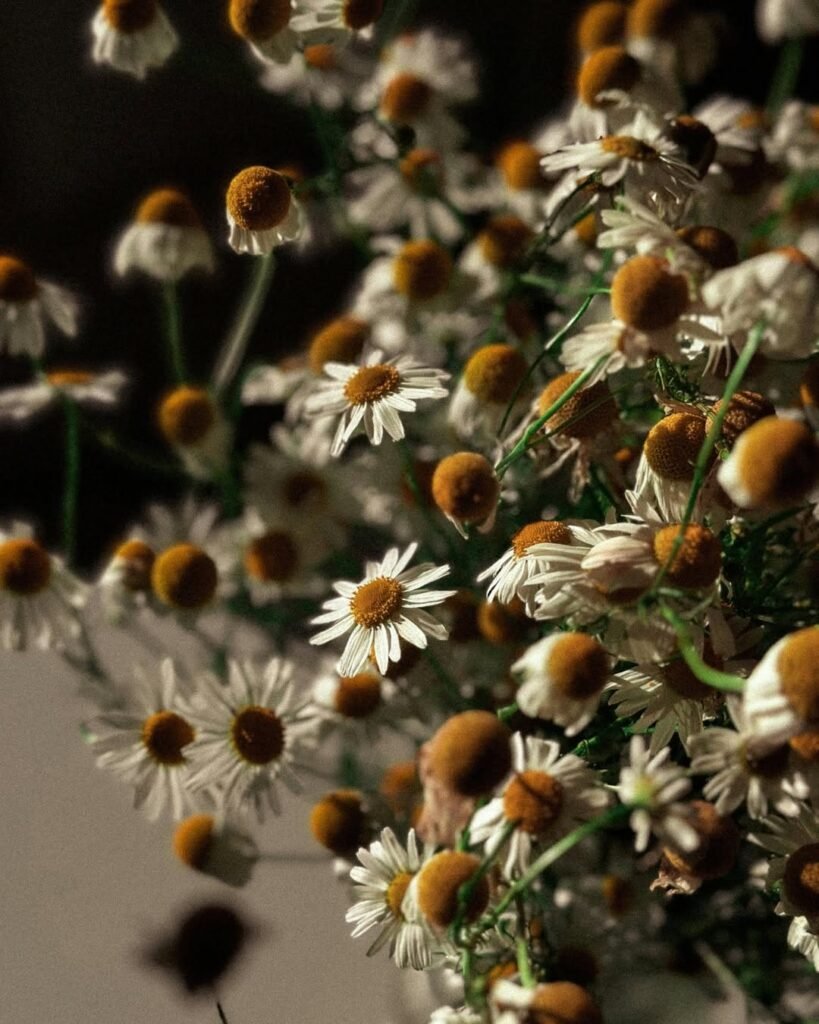
Modern science backs up these traditional uses. Chamomile contains flavonoids and apigenin, which bind to brain receptors and induce relaxation, making it clinically effective for anxiety and insomnia. Recent studies show chamomile reduces inflammation through key pathways, supports wound healing, and protects against cellular damage. It’s used for allergies, arthritis pain, and digestive disorders. Its natural antiseptic and mild antibiotic properties help fight skin and mucosal infections, making it useful for eye washes, mouth rinses, and gentle herbal first aid. Traditionally and scientifically, chamomile is recommended for calming menstrual cramps, regulating digestion, and soothing children’s ailments. In our busy, overstimulated lives, a simple cup of Greek chamomile tea before bed might be exactly what we need. It’s one of those small rituals that genuinely works.
The chamomile found throughout Crete is Matricaria chamomilla, also known as Matricaria recutita or German chamomile. This is the primary wild and cultivated chamomile in Greece, valued for its high essential oil content and classic sweet aroma. Roman chamomile (Chamaemelum nobile) is a different species, less common in Greece, though occasionally found in gardens. The island’s soils, strong sun, and herbal heritage give local chamomile a particularly bright aroma. It remains a star among Cretan household teas and natural remedies, blending deep tradition with modern science as a perfect example of Greece’s living herbal legacy.
9. Peppermint (Mentha x piperita) – Ménta
Walk into any Cretan garden in summer and you’ll likely find peppermint growing somewhere, its leaves ready to be plucked for tea or tossed into a salad. While this particular mint is actually a hybrid that originated in England, it’s been adopted wholeheartedly by Greeks and thrives in Mediterranean soil.
Greek mythology connects mint to Minthe, a water nymph who was transformed into the plant by Persephone. Ancient Greek physicians like Dioscorides and Pliny the Elder used various mints for digestive troubles, lung issues, and their cooling properties. Roman and Byzantine cooks flavored sauces, cordials, and syrups with mint. In Crete, the intense Mediterranean sun and rich soil give local peppermint a bold, refreshing aroma that’s hard to beat.
Modern research strongly supports what the ancients knew. Peppermint’s essential oil, high in menthol, is clinically proven to relax smooth muscle and alleviate IBS symptoms, bloating, and nausea. Studies confirm it works for indigestion and abdominal pain. It’s also packed with powerful antioxidants like rosmarinic acid, which protect cells and reduce inflammation. The essential oil has strong antimicrobial effects against bacteria and fungi, and it stimulates immune response. That cooling sensation you feel? It helps relieve headaches and sinus congestion. Some studies even document benefits for cholesterol, mild pain relief, and anti-aging properties.
In Cretan cooking, peppermint is cherished for its fresh, spicy-cooling flavor. It livens up salads, yogurts, cheese pies, syrups, and herbal teas, especially in summer. Local blends often mix peppermint with lemon verbena, sage, or malotira for refreshing drinks. You’ll find the leaves in both sweet and savory dishes, bringing that classic Greek zest.
10. Lemon Verbena (Aloysia citrodora) – Louíza
Lemon verbena, known in Greece as louíza, is a sun-loving herb that’s become a Cretan favorite for its uplifting aroma, digestive support, and gentle detoxifying qualities. If you’ve ever sipped a cold herbal tea on a hot afternoon in Crete, there’s a good chance lemon verbena was in the mix.
This herb arrived in Greece in the 18th century and quickly became a garden staple and household remedy. In ancient Mediterranean cultures, it symbolized love and purification, linked to the goddess Venus and folk rituals for luck and happiness. Cretan families have long valued louíza for its ability to “refresh the mind and body,” making it a beloved ingredient in herbal blends for both recreation and wellness.
Lemon verbena is a classic herbal tea for bloating, cramps, and sluggish digestion. Studies confirm its antispasmodic and anti-inflammatory action, soothing the digestive tract and reducing gastrointestinal inflammation. Recent research even suggests that combining lemon verbena with hibiscus can help with weight management, appetite control, and fullness. In one clinical trial, women supplementing with lemon verbena lost more weight and felt more satisfied than the placebo group.
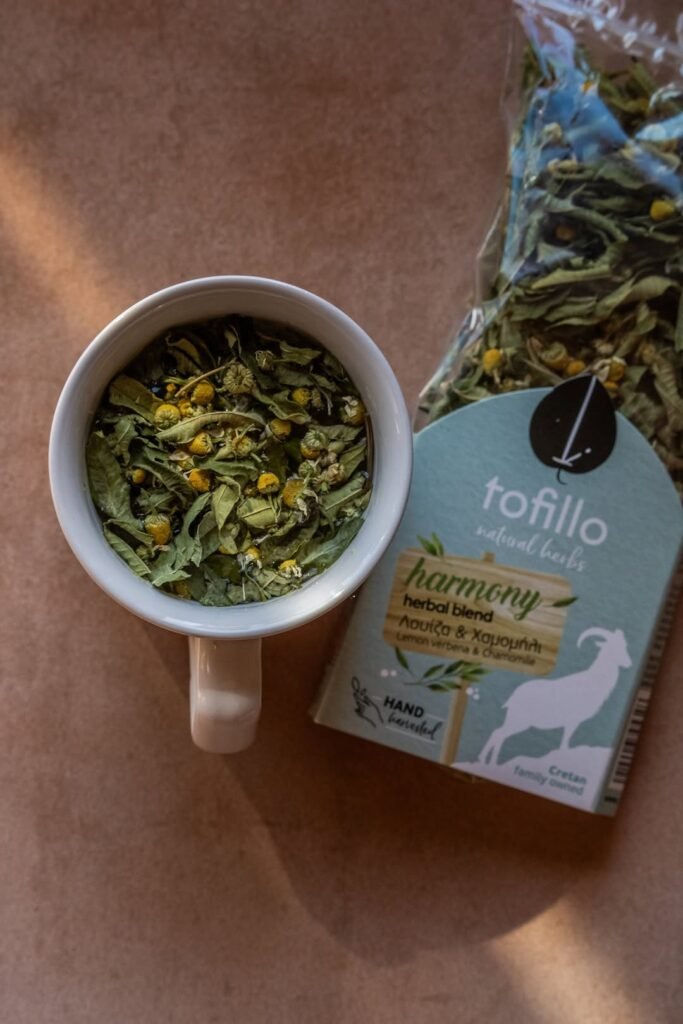
Rich in verbascoside and other antioxidants, lemon verbena speeds up muscle recovery after exercise and lowers oxidative stress. It also calms the nervous system, easing anxiety and tension. Its mild diuretic effect promotes body detoxification, which is why it’s often recommended for feeling light and refreshed, especially in summer. It may also help relieve mild headaches, support respiratory health, and invigorate overall immunity.
Cretan and Greek herbalists love blending lemon verbena into herbal tea mixes with sage, mint, dittany, or mountain tea. In summer, lemon verbena is often served cold, infused with citrus slices, honey, and fresh herbs for a refreshing, thirst-quenching drink that’s perfect for the island heat. Its vibrant aroma also enhances jams, desserts, syrups, and even savory dishes.
11. Rosemary (Rosmarinus officinalis) – Dentrolivano
Rosemary, known in Crete as dentrolivano, has been valued for centuries in Mediterranean kitchens, medicine, and rituals. It’s one of those herbs that feels timeless, rooted deeply in both the land and the culture.
Ancient Greeks dedicated rosemary to Aphrodite and wore rosemary wreaths during examinations, believing it enhanced memory and concentration. Dioscorides, Hippocrates, and Pliny the Elder documented its use for digestive ailments, wounds, headaches, and as incense in temples and funerals. Associated with remembrance, clarity, and fidelity, rosemary is woven into Cretan and Greek celebratory and mourning customs.
Modern studies confirm what the ancients believed. Inhaling rosemary aroma or using extracts improves memory, mental clarity, and mood, supported by clinical trials and neurological research. Rosemary contains carnosic acid and other potent antioxidants that protect brain cells from oxidative stress and may shield against age-related cognitive decline and Alzheimer’s disease. The herb and its oil act as anti-inflammatories, aid digestion, relieve muscle aches, and are used to treat colds and headaches. Rosemary essential oil, rich in 1,8-cineole, camphor, and pinene, is used aromatically to boost cognitive function and relieve mild headaches and muscle pain. Several studies document the positive effect of essential oil inhalation and topical use.
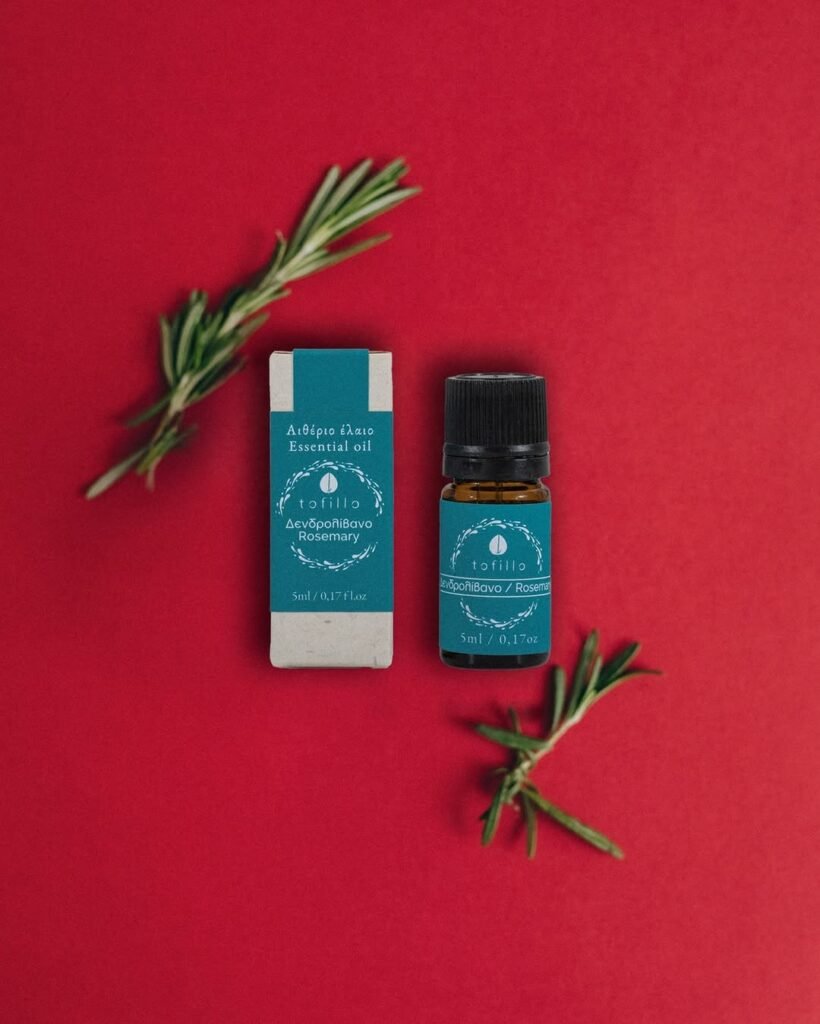
In Crete, rosemary flavors roast meats, potatoes, savory breads, olive oil, and herbal teas, besides its medicinal and aromatic role in the home. Its robust leaves are also used in natural remedies for dental care and as a preservative and antimicrobial agent in traditional food preparations.
Among Cretan and Greek herbs, rosemary stands out for its legendary role blending memory, flavor, and healing. Just a sprig or drop of essential oil connects ancient wisdom with living science.
12. Marjoram (Origanum majorana) – Mantzourána
Marjoram, known in Crete as mantzourána, is a tender, aromatic herb with a legacy reaching deep into Greek and Cretan tradition. It’s softer and sweeter than its cousin oregano, with a delicate floral quality that makes it perfect for both cooking and healing.
In ancient Greece, marjoram was sacred to Aphrodite and associated with happiness and love. Greek brides wore marjoram garlands to ensure joy and fidelity, and Romans used it to bless wedding unions. Hippocrates and Dioscorides recommended marjoram as an antiseptic, for nervous disorders, digestive troubles, and respiratory issues. The herb was burned as incense for protection and peace, and hung in homes to ward off negativity.
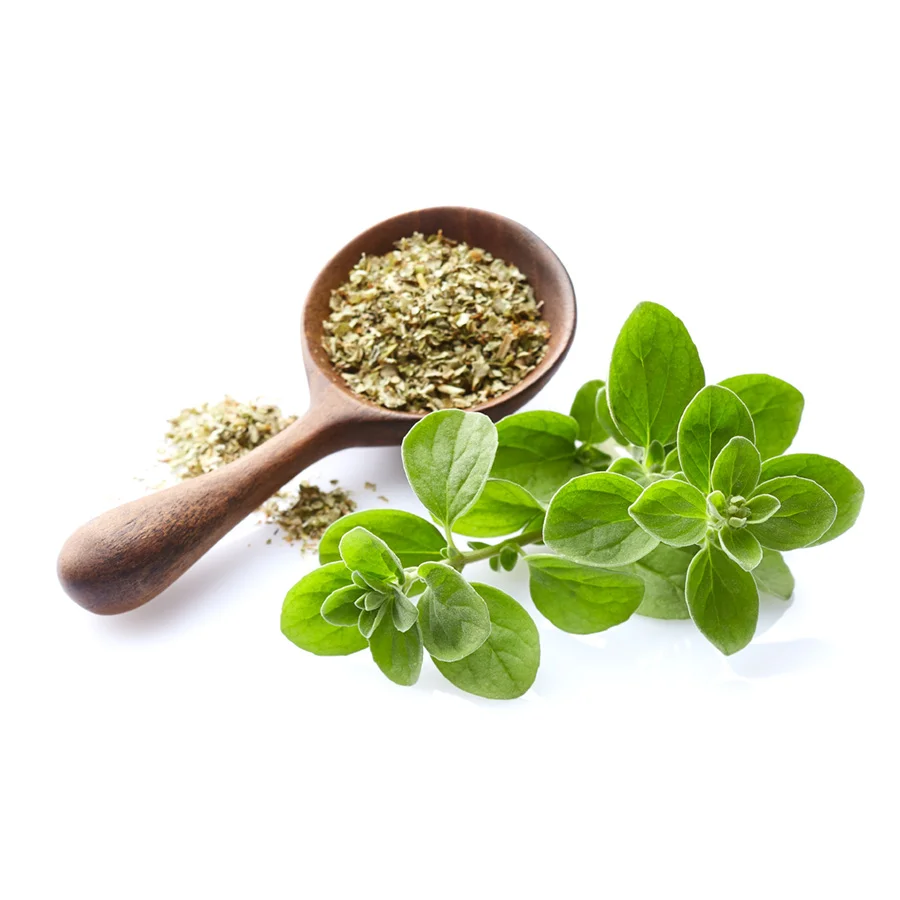
Marjoram’s delicate flavor enriches Cretan salad dressings, marinades, and meat dishes. It’s also used in herbal teas, often combined with malotira for a gentle, calming blend. Cretans value marjoram infusions for menstrual pain, digestive upsets, headaches, and cold symptoms.
Laboratory studies confirm marjoram’s high phenolic and flavonoid content, giving it strong antioxidant and free radical scavenging activities. It reduces inflammatory signaling pathways and boosts immune cell viability. Traditional use for stomach cramps, bloating, gallbladder issues, coughs, and cardiovascular support is now backed by scientific findings. Marjoram oil and infusions help with chest congestion, mild hypertension, and promote better blood circulation. Used as a “nerve tonic,” marjoram is recommended for lowering stress, aiding sleep, and soothing headaches or muscle tension. Herbalists also use marjoram for regulating menstruation, easing menopausal symptoms, and supporting breast milk flow, with recent research exploring its endocrine effects.
Marjoram’s role in Cretan tradition is as much about healing and happiness as flavor. It’s the herb of love and comfort, treasured by ancient and modern Greeks alike.
Where to Find Authentic Cretan and Greek Herbs
When it comes to buying herbs from Crete, quality and sourcing matter. You want herbs that are organically cultivated, harvested at the right time, and handled with care so their essential oils and medicinal properties stay intact.
Tofillo, a family-run organic herb farm near Omalos in Chania, is one of the most trusted sources for authentic Cretan herbs. Founded by Rodo and Nikos Psyllakis, Tofillo specializes in endemic species like malotira and dittany, as well as Mediterranean classics like sage, lemon verbena, and cistus. They grow their herbs sustainably, harvest them at peak season, and process them gently to preserve aroma and therapeutic quality.
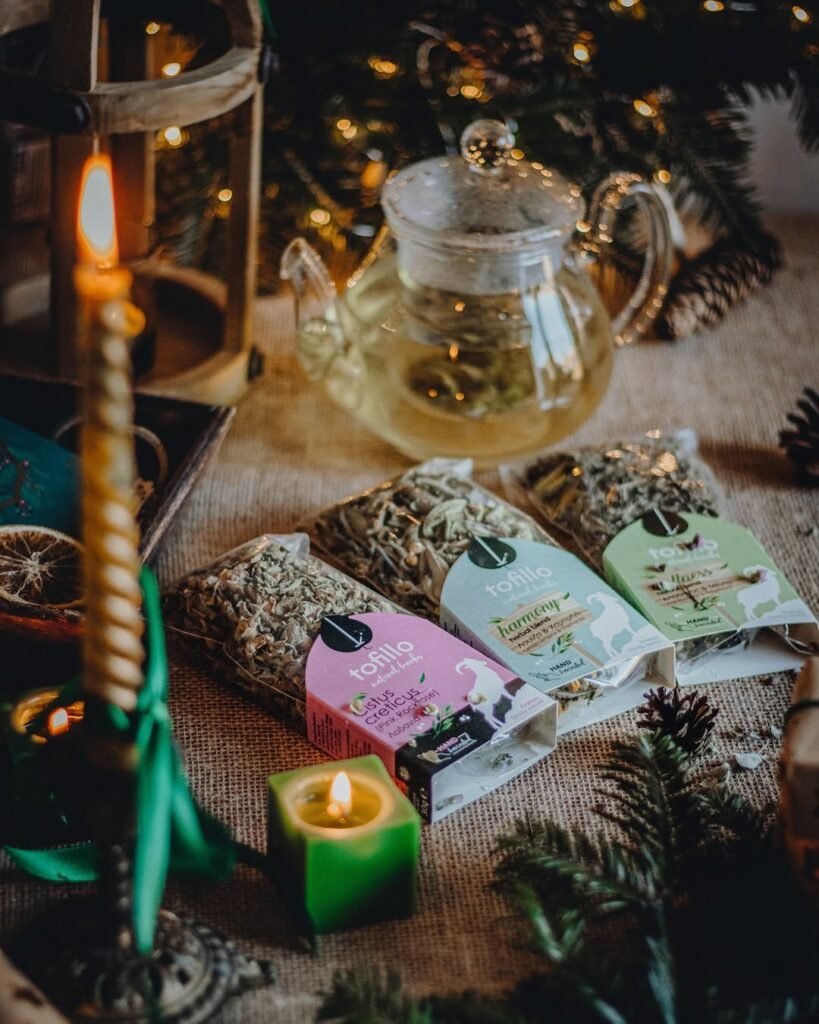
You can visit their sales point in Souda, just 6 kilometers from Chania’s city center, where you’ll find their full collection of organic Cretan herbs, rare mountain plants, and local culinary blends. The space feels like a secret herb haven, and if you’re a foodie, a nature lover, or just someone who collects little local treasures while traveling, this is a spot worth checking out. You can also find thoughtfully crafted herbal tea blends like Harmony (lemon verbena and chamomile) for relaxation, Wellness (peppermint and cistus) for immune support, and Hug (lemon verbena, malotira, thyme, licorice, orange, and fennel) for evening comfort. These blends make beautiful gifts for anyone who loves authentic Greek herbs, offering a taste of Crete’s botanical heritage in every cup.
Their physical store is open all year round, including winter, though they’re closed on certain days, so it’s always best to check their opening hours on Google before making the trip.
Can’t make it to Crete? Tofillo also has an online shop where you can order authentic Cretan herbs and have them delivered wherever you are in the world.
Conclusion
These twelve herbs are more than just plants to me. They’re a connection to something ancient, something that feels like it’s been waiting in the soil for thousands of years to nourish and heal me. Every time I brew a cup of malotira or add oregano to a dish, I’m reminded that healing doesn’t have to be complicated. It can be woven into our daily lives, as simple as the tea we drink or the food we prepare. Cretan and Greek herbs have sustained generations with their power, and they’re still here, still working, still offering us exactly what we need. Whether you’re sipping chamomile before bed, adding fresh thyme to your cooking, or exploring dittany for the first time, you’re tapping into a tradition that’s as alive today as it was in the time of Hippocrates. Trust these plants. They know what they’re doing.
Medical Disclaimer: This content is for educational and cultural purposes only. The information shared about traditional herb uses is not intended to diagnose, treat, cure, or prevent any disease. Please consult a qualified healthcare professional before using herbs for medicinal purposes.
Disclaimer: This article is sponsored by Tofillo. All opinions, experiences, and recommendations are my own and reflect my genuine love for Cretan herbs and herbal medicine.
Further reading:
3 Healing Methods Ancient Greek Doctors Knew and Practiced (That Crete Still Embodies Today)
